
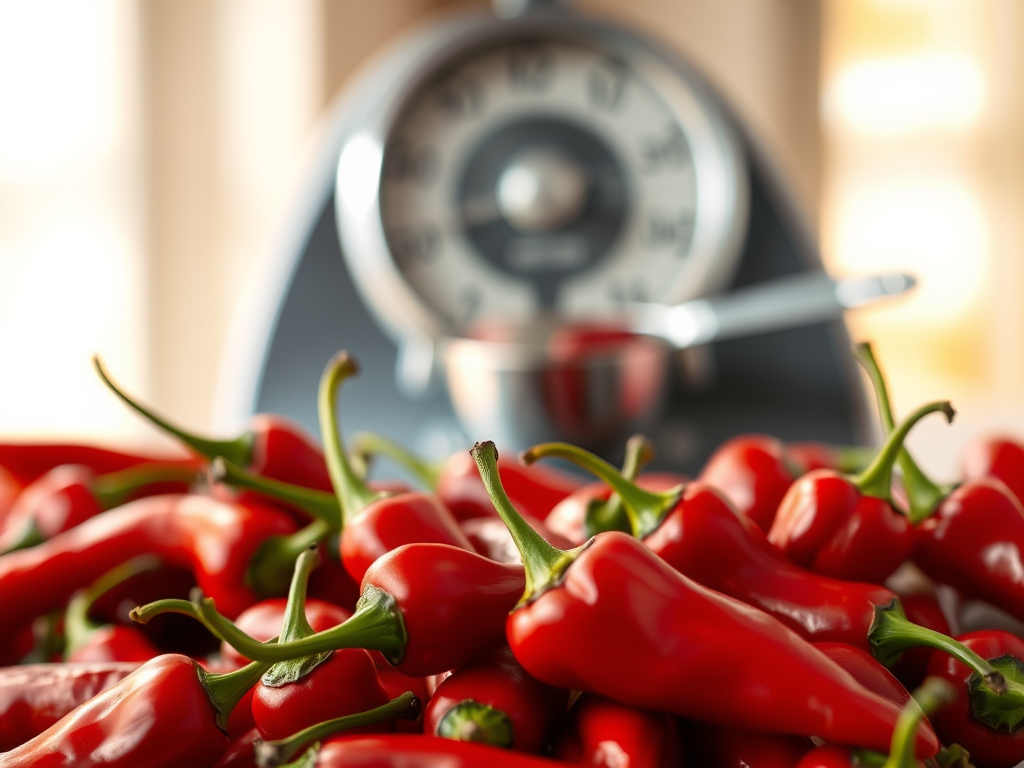
Capsaicin and Weight Loss: Understanding the Science Behind the Heat
Capsaicin, the active compound found in chili peppers, has gained significant attention in the weight loss community for its potential to aid in burning calories and reducing body fat. This blog post delves into the science behind capsaicin, exploring how it functions in the body and its role in weight management.
What is Capsaicin?
Capsaicin is a colorless, odorless compound responsible for the spicy heat of chili peppers. It binds to receptors in the mouth (specifically, the TRPV1 receptor), which are sensitive to temperature and physical abrasion. This interaction triggers a sensation of heat and pain, leading to various physiological responses.
How Capsaicin Burns Calories
1. Increased Metabolic Rate
One of the primary ways capsaicin aids in weight loss is by increasing the metabolic rate. When consumed, capsaicin can elevate the body’s core temperature, a phenomenon known as thermogenesis. This process requires energy, which results in an increase in calorie expenditure. Studies have shown that consuming capsaicin can boost metabolic rate by approximately 5% for a short period after ingestion.
2. Enhanced Fat Oxidation
Capsaicin also promotes fat oxidation, the process by which the body breaks down fat stores for energy. Research indicates that capsaicin can increase the rate at which the body utilizes fat during exercise. This effect is particularly beneficial for those aiming to lose weight, as it encourages the body to rely on fat stores rather than carbohydrates for energy.
3. Appetite Suppression
Another mechanism through which capsaicin influences weight loss is appetite suppression. Some studies suggest that capsaicin can reduce feelings of hunger, leading to lower overall calorie intake. By enhancing feelings of fullness and satiety, individuals may be less likely to overeat, contributing to a calorie deficit necessary for weight loss.
4. Increased Energy Expenditure
Capsaicin consumption has been associated with increased energy expenditure during physical activity. When individuals consume capsaicin, they may experience an increase in heart rate and blood flow, which can enhance exercise performance and maximize calorie burn. This combined effect can be particularly advantageous for those engaging in regular physical activity.
The Pathophysiology of Capsaicin’s Effects
TRPV1 Receptor Activation
The key to capsaicin’s effects on weight loss lies in its interaction with the TRPV1 receptor. This receptor plays a crucial role in thermoregulation and energy metabolism. When capsaicin binds to TRPV1, it triggers a cascade of cellular responses that enhance energy expenditure and fat breakdown. This signaling can lead to an increase in norepinephrine, a hormone that promotes fat mobilization.
Brown Adipose Tissue Activation
Recent research highlights the role of brown adipose tissue (BAT) in energy expenditure. BAT is a type of fat tissue that burns calories to generate heat. Capsaicin has been shown to activate BAT, promoting thermogenesis and increasing overall energy expenditure. This activation is particularly beneficial in combating obesity, as it can help shift the body’s energy balance.
Gut Microbiota Influence
Emerging studies suggest that capsaicin may also influence gut microbiota composition. A healthy balance of gut bacteria is linked to better metabolic health and weight regulation. Capsaicin may promote the growth of beneficial bacteria, which can improve metabolic functions and further support weight loss efforts.

Conclusion
Capsaicin offers a multifaceted approach to weight loss through its ability to increase metabolic rate, enhance fat oxidation, suppress appetite, and elevate energy expenditure. While it is not a magic bullet for weight loss, incorporating capsaicin-rich foods into a balanced diet, combined with regular physical activity, can support weight management efforts. As with any dietary change, it is essential to approach weight loss holistically, considering overall lifestyle habits for sustainable results.
Incorporating chili peppers or capsaicin supplements into your routine may provide that extra boost in your weight loss journey, but moderation is key, as excessive consumption can lead to gastrointestinal discomfort. Always consult with a healthcare professional before making significant changes to your diet or exercise regimen.
Leave a Reply