
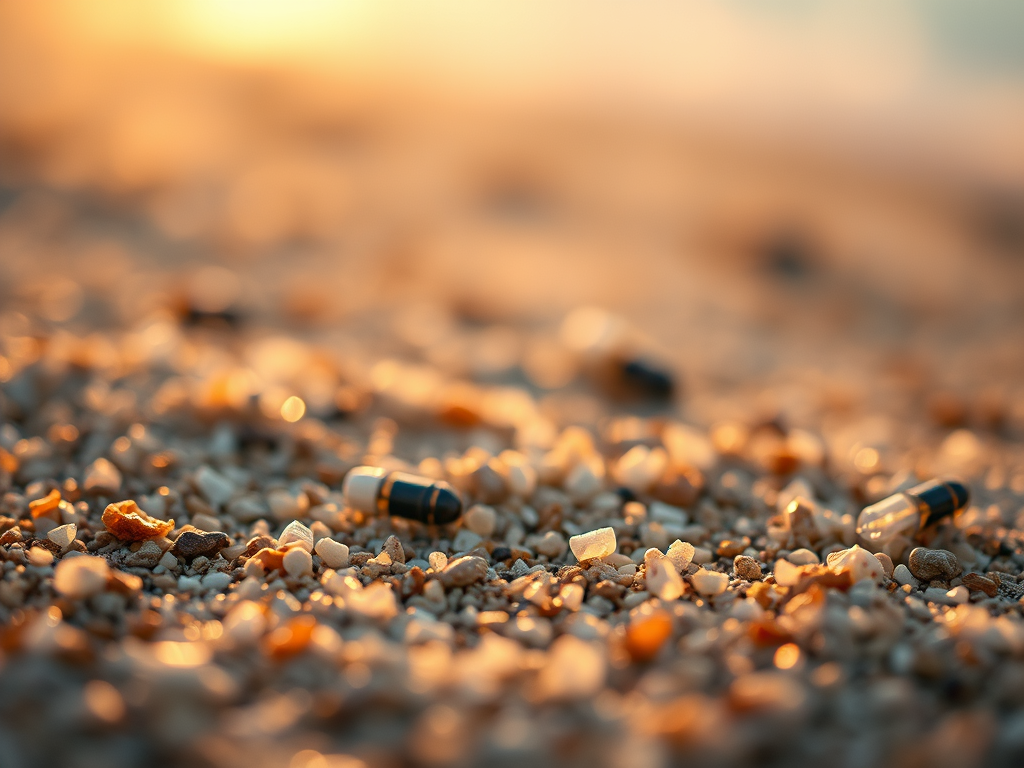
Understanding Microplastics: Sources, Prevention, and Detox Protocols
Microplastics have become a significant environmental concern, infiltrating ecosystems and even our bodies. These tiny plastic particles, typically smaller than 5 millimeters, pose potential health risks and have raised alarms about their impact on human health and the environment. In this blog post, we’ll explore where microplastics come from, how we can prevent them from entering our bodies, and the supplements and protocols that may help detoxify them.
What Are Microplastics?
Microplastics are small plastic particles generated from the breakdown of larger plastic items or manufactured as tiny particles for use in products like cosmetics, detergents, and industrial abrasives. They can originate from various sources, including:
- Wear and Tear of Tires: As vehicles drive, tires wear down, releasing tiny plastic particles into the environment.
- Synthetic Fabrics: Washing clothes made from polyester, nylon, and other synthetic materials can release microfibers into wastewater.
- Personal Care Products: Many exfoliating scrubs, toothpaste, and cosmetics contain microbeads, which are a direct source of microplastics.
- Packaging Waste: Degradation of plastic packaging in landfills and oceans contributes to microplastic pollution.
- Industrial Processes: Manufacturing and industrial activities can release plastic particles into the air and water.
How Microplastics Enter Our Bodies
Microplastics can enter the human body through various pathways:
- Ingestion: We may consume microplastics through contaminated food and water. Seafood, particularly shellfish, is a significant source, as these organisms often ingest microplastics present in their environments.
- Inhalation: Microplastics can also be inhaled from the air, particularly in urban areas where pollution levels are high.
- Dermal Absorption: Some personal care products containing microplastics can be absorbed through the skin.
Preventing Microplastics from Entering Our Bodies
Here are some practical steps to reduce your exposure to microplastics:
- Choose Natural Fibers: Opt for clothing made from natural fibers like cotton, wool, or linen instead of synthetic materials. This helps reduce the release of microfibers during washing.
- Use a Microfiber Filter: Install a microfiber filter in your washing machine or use a laundry bag designed to catch microfibers.
- Avoid Products with Microbeads: Check the ingredient lists of personal care products and avoid those containing polyethylene or polypropylene microbeads.
- Limit Plastic Packaging: Choose products with minimal or no plastic packaging. Opt for bulk items and glass or metal containers when possible.
- Drink Filtered Water: Use a water filter that can effectively remove microplastics to ensure cleaner drinking water.
- Be Mindful of Seafood Consumption: Limit your intake of seafood, particularly shellfish, and choose sustainably sourced options.
- Reduce Use of Disposable Plastics: Minimize the use of single-use plastics by using reusable bags, bottles, and containers.
Detoxing from Microplastics: Supplements and Protocols
While the complete removal of microplastics from the body is still a developing area of research, certain supplements and protocols may support detoxification and overall health:
Supplements
- Activated Charcoal: Known for its ability to bind to toxins, activated charcoal may help trap microplastics in the digestive system, preventing their absorption.
- Chlorella: This green algae is rich in chlorophyll and may help bind heavy metals and toxins, potentially aiding in detoxification.
- Spirulina: Another type of algae, spirulina is packed with nutrients that support the immune system and may help in detoxifying the body.
- Fiber Supplements: Increasing dietary fiber can enhance gut health and support the elimination of toxins. Psyllium husk or other soluble fiber supplements may be beneficial.
- N-acetylcysteine (NAC): NAC is known for its antioxidant properties and may help support liver detoxification processes.
Detox Protocols
- Hydration: Drink plenty of water to support kidney function and help flush out toxins.
- Balanced Diet: Focus on a diet rich in whole foods, including fruits, vegetables, whole grains, and lean proteins, to support overall health and detoxification.
- Regular Exercise: Physical activity promotes circulation and may help boost the body’s natural detoxification processes.
- Sauna Use: Regular sauna sessions may help promote sweating, which can aid in eliminating toxins from the body.
Conclusion
Microplastics are a pervasive issue that requires awareness and action. By understanding their sources and implementing preventive measures, we can reduce our exposure. Additionally, incorporating specific supplements and detox protocols can support our body’s efforts to eliminate these harmful particles. Staying informed and proactive is key to safeguarding our health in an increasingly plastic-laden world.
Leave a Reply