
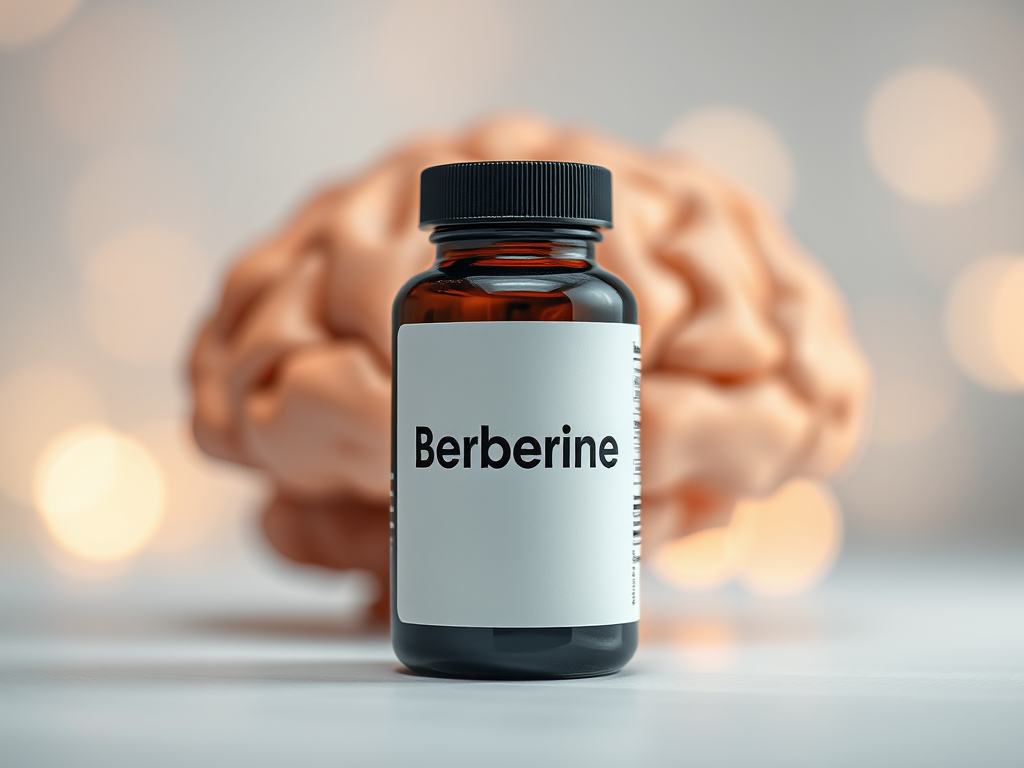
The Impact of Berberine on Brain Function
Berberine is a bioactive compound derived from various plants, including barberry, goldenseal, and Oregon grape, and has been traditionally used in herbal medicine for its wide-ranging health benefits. While berberine is often recognized for its effects on weight loss and metabolic health, emerging research highlights its significant impact on brain function. In this blog post, we will explore how berberine influences neurotransmitter levels, its role in neuroprotection, and why it is more than just a weight loss supplement.
What Is Berberine?
Berberine is an alkaloid with a distinctive yellow color, known for its potent pharmacological effects. It has been studied for its ability to regulate blood sugar levels, improve cholesterol profiles, and support weight loss. However, recent studies indicate that berberine also plays a vital role in brain health, making it an important compound for cognitive function and mental well-being.
How Berberine Affects Brain Function
1. Neurotransmitter Regulation
Berberine has been shown to positively influence levels of key neurotransmitters in the brain, including:
- Acetylcholine: This neurotransmitter is crucial for learning, memory, and overall cognitive function. By increasing acetylcholine levels, berberine may help enhance memory and cognitive performance.
- Norepinephrine: Involved in attention and response actions, norepinephrine helps improve focus and mood. Berberine’s ability to raise norepinephrine levels could contribute to better mental clarity and emotional balance.
- Serotonin: Often referred to as the “feel-good” neurotransmitter, serotonin plays a significant role in mood regulation. By increasing serotonin levels, berberine may help alleviate symptoms of anxiety and depression.
2. Enzyme Modulation
Berberine’s neuroprotective properties are partly due to its ability to downregulate several enzymes that are associated with neurodegenerative diseases, particularly Alzheimer’s disease. Specifically, it inhibits:
- Monoamine Oxidase A (MAO-A) and Monoamine Oxidase B (MAO-B): These enzymes break down neurotransmitters in the brain. By inhibiting their activity, berberine helps maintain higher levels of neurotransmitters, supporting cognitive health.
- Acetylcholinesterase and Butyrylcholinesterase: These enzymes break down acetylcholine. Inhibiting their action can enhance acetylcholine availability, further supporting memory and cognitive function.
Research indicates that by modulating these enzymes, berberine may play a protective role against cognitive decline and neurodegeneration, making it a promising compound in the fight against Alzheimer’s disease and other forms of dementia.
3. Potential Cognitive Benefits
The combination of increased neurotransmitter levels and reduced enzyme activity suggests that berberine may offer various cognitive benefits, including:
- Enhanced Memory and Learning: By supporting acetylcholine levels, berberine can improve memory retention and learning capacity.
- Improved Mood: Higher serotonin and norepinephrine levels can lead to better mood regulation and emotional resilience.
- Neuroprotection: The ability to inhibit enzymes linked to neurodegenerative diseases positions berberine as a potential safeguard against cognitive decline.
Suggested Dosage
For those looking to incorporate berberine into their health regimen, a typical dosage ranges from 500 mg to 1500 mg daily. It is advisable to consult with a healthcare professional to determine the appropriate dosage based on individual health needs and conditions.
Beyond Weight Loss
While berberine is commonly marketed for its weight loss benefits, it is essential to recognize its broader implications for health, particularly in supporting brain function. Its ability to enhance neurotransmitter levels and modulate neuroprotective pathways highlights its potential as a comprehensive supplement for cognitive health.
Conclusion
Berberine is a remarkable compound that extends its benefits beyond weight management, playing a crucial role in brain health and cognitive function. By increasing key neurotransmitters and inhibiting enzymes associated with neurodegenerative diseases, berberine offers a multifaceted approach to supporting mental well-being. As research continues to unveil its benefits, incorporating berberine into your health regimen may be a valuable step toward enhancing both physical and cognitive health. Always consult with a healthcare professional before starting any new supplement to ensure it aligns with your health goals. Embrace the power of berberine and unlock its potential for a healthier brain!
Leave a Reply