
The Essential Role of Zinc: Health Benefits and Hormonal Support
Zinc is a trace mineral that plays a crucial role in numerous physiological functions, making it an essential nutrient for overall health. Despite its importance, many people do not get enough zinc in their diets. This blog post will explore the health benefits of zinc, its role in hormone regulation, and why ensuring adequate zinc intake is vital for well-being.
What is Zinc?
Zinc is a mineral found in various foods and is involved in numerous bodily functions, including immune function, protein synthesis, wound healing, DNA synthesis, and cell division. It is present in every cell of the body and is essential for the proper functioning of enzymes that facilitate biochemical reactions.
Health Benefits of Zinc
1. Immune System Support
- Zinc is well-known for its immune-boosting properties. It plays a key role in the development and function of immune cells, helping the body fend off infections and diseases. Adequate zinc levels can reduce the duration and severity of illnesses, including the common cold.
2. Wound Healing
- Zinc is essential for skin health and plays a significant role in wound healing. It aids in the synthesis of proteins and cell membranes, which are crucial for tissue repair. Topical zinc can also help treat skin conditions such as acne and dermatitis.
3. Antioxidant Properties
- As an antioxidant, zinc helps protect cells from oxidative stress, which can lead to chronic diseases. By neutralizing free radicals, zinc supports cellular health and may reduce the risk of age-related conditions.
4. Cognitive Function
- Zinc is involved in neurotransmission and plays a role in cognitive function. Research suggests that adequate zinc levels are associated with improved memory and cognitive performance, particularly in older adults.
5. Bone Health
- Zinc is important for maintaining bone density and overall bone health. It contributes to the formation of bone tissue and may help prevent osteoporosis, especially in postmenopausal women.
Hormonal Benefits of Zinc
1. Testosterone Production
- Zinc plays a vital role in testosterone production, a hormone essential for male reproductive health and overall well-being. Low zinc levels have been linked to reduced testosterone levels, which can impact libido, muscle mass, and energy levels. Supplementing with zinc may help boost testosterone levels in men with zinc deficiency.
2. Regulation of Thyroid Hormones
- Zinc is essential for the synthesis and metabolism of thyroid hormones. Adequate zinc levels support thyroid function, which is crucial for regulating metabolism, energy levels, and overall hormonal balance. Zinc deficiency can lead to hypothyroidism and related symptoms, including fatigue and weight gain.
3. Impact on Insulin Sensitivity
- Zinc is involved in insulin secretion and plays a role in glucose metabolism. Adequate zinc levels can help improve insulin sensitivity, which is essential for maintaining healthy blood sugar levels. This is particularly important for individuals with insulin resistance or type 2 diabetes.
4. Hormonal Balance in Women
- For women, zinc contributes to hormonal balance throughout the menstrual cycle. It may help alleviate symptoms of premenstrual syndrome (PMS) and support reproductive health. Zinc’s anti-inflammatory properties can also benefit conditions like endometriosis.
Sources of Zinc
To maintain optimal zinc levels, it’s essential to include zinc-rich foods in your diet. Good dietary sources of zinc include:
- Meat: Beef, lamb, and poultry
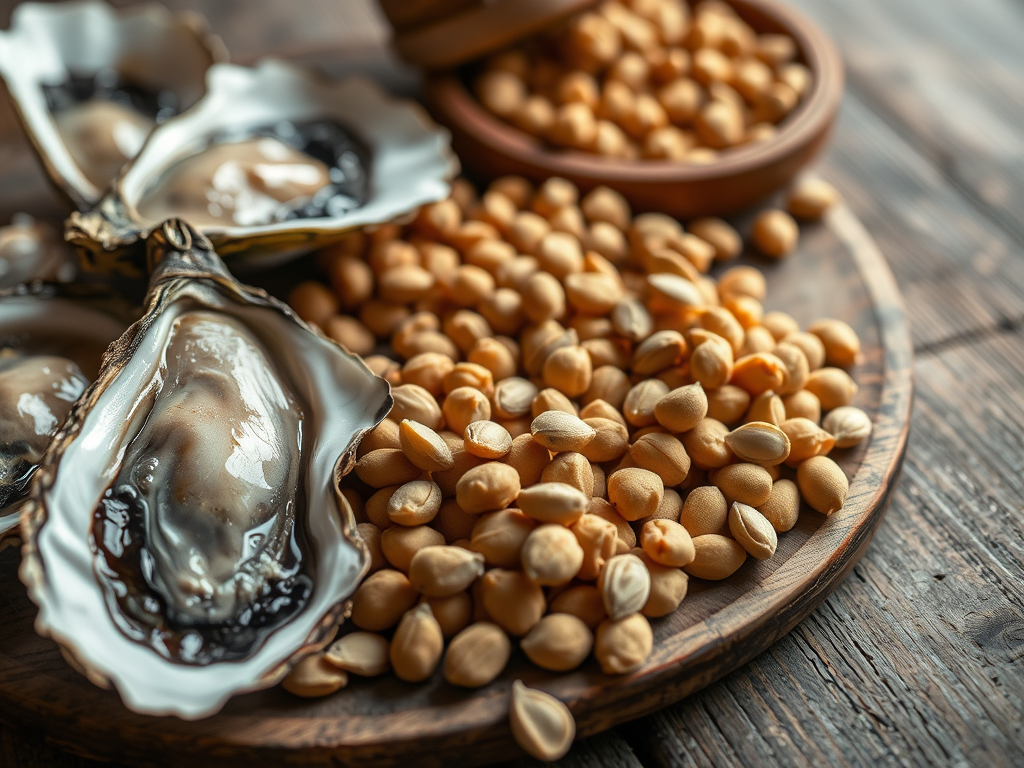
- Seafood: Oysters (particularly high in zinc), crab, and shrimp
- Legumes: Chickpeas, lentils, and beans
- Nuts and Seeds: Pumpkin seeds, cashews, and almonds
- Dairy Products: Milk and cheese
- Whole Grains: Quinoa and fortified cereals
Zinc Supplementation
If you suspect you’re not getting enough zinc from your diet, consider supplementation. Common forms of zinc supplements include zinc gluconate, zinc picolinate, and zinc citrate. It’s essential to follow the recommended dosage on the product label and consult with a healthcare professional before starting any new supplement, especially if you have underlying health conditions or are taking medication.
Conclusion
Zinc is an essential mineral that offers a wide range of health benefits, from supporting the immune system and promoting wound healing to playing a crucial role in hormonal balance. Ensuring adequate zinc intake is vital for overall health, particularly for hormone production and regulation. By incorporating zinc-rich foods into your diet or considering supplementation, you can help support your body’s functions and enhance your well-being. Embrace the power of zinc and take proactive steps toward a healthier, more balanced life!
Leave a Reply