
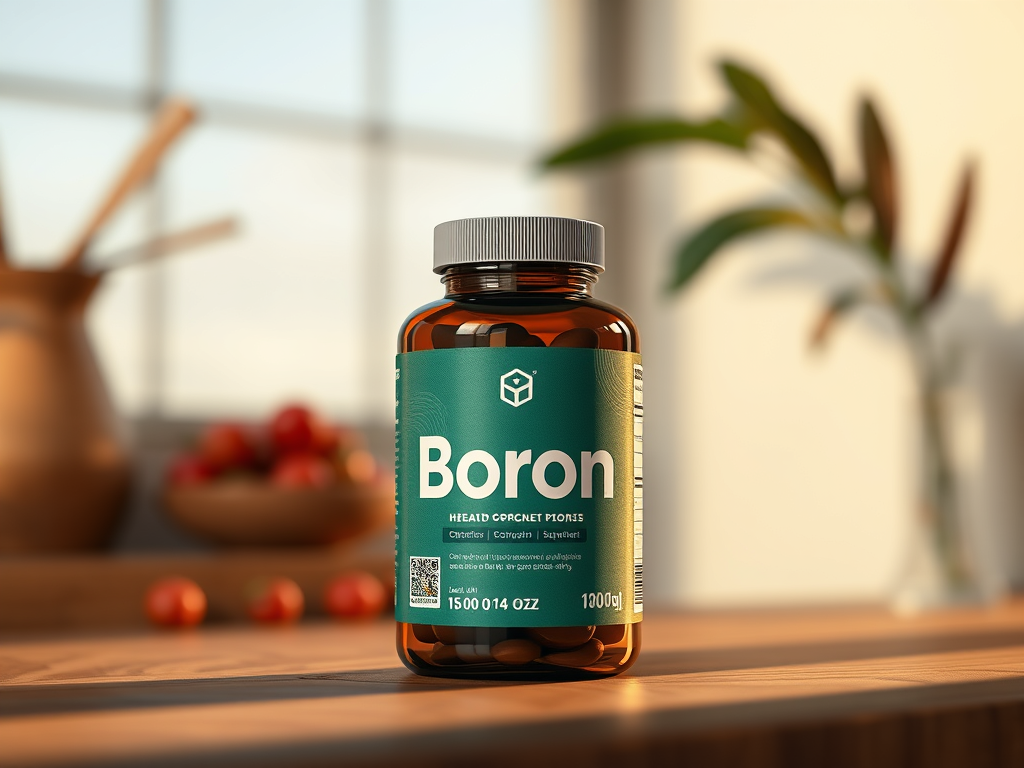
Unlocking the Benefits of Boron: A Key Mineral for Hormonal Health
Boron is a trace mineral that plays a crucial role in various biological functions within the human body. Despite its importance, boron is often overlooked in discussions about essential nutrients. This blog post will explore what boron is, how it works in the body, and its potential benefits, particularly in lowering sex hormone-binding globulin (SHBG) and increasing testosterone levels.
What is Boron?
Boron is a naturally occurring element found in soil, water, and various foods, including fruits, vegetables, nuts, and legumes. While the human body requires only small amounts of boron, it plays a significant role in maintaining optimal health, particularly in bone health, hormone regulation, and cognitive function.
How Boron Works in the Body
1. Hormonal Regulation
Boron is known to influence the metabolism of several hormones, including testosterone, estrogen, and vitamin D. It plays a role in the synthesis and regulation of these hormones, which are vital for various physiological functions.
2. Bone Health
Boron contributes to bone health by aiding in the metabolism of minerals such as calcium, magnesium, and phosphorus. It helps improve bone density and may reduce the risk of osteoporosis, particularly in postmenopausal women.
3. Cognitive Function
Research suggests that boron may support cognitive function by enhancing brain activity and improving memory and attention. Studies have shown that adequate boron levels are associated with better cognitive performance.
4. Anti-Inflammatory Properties
Boron has demonstrated anti-inflammatory effects, which may help reduce the risk of chronic diseases associated with inflammation, such as arthritis and heart disease.
Boron and Testosterone: Lowering SHBG
What is SHBG?
Sex hormone-binding globulin (SHBG) is a protein produced by the liver that binds to sex hormones, including testosterone and estrogen. High levels of SHBG can lead to lower levels of free testosterone in the body, which is the biologically active form of the hormone. This can result in symptoms of testosterone deficiency, such as low energy, decreased libido, and muscle loss.
How Boron Helps Lower SHBG
Research indicates that boron supplementation may help lower SHBG levels, thereby increasing the availability of free testosterone. Here’s how it works:
- Inhibition of SHBG Production: Boron may reduce the synthesis of SHBG in the liver, leading to lower circulating levels of this protein. As SHBG levels decrease, more testosterone remains unbound and available for use by the body’s tissues.
- Hormonal Balance: By influencing the metabolism of sex hormones, boron promotes a healthier hormonal balance, which can lead to improved levels of testosterone. Studies have shown that men who supplemented with boron experienced significant increases in free testosterone levels.
- Improved Estrogen Metabolism: Boron may also help regulate estrogen levels, which can further contribute to a favorable balance between testosterone and estrogen in the body.
Research Evidence
A study published in the Journal of Trace Elements in Medicine and Biology found that boron supplementation significantly increased serum testosterone levels while reducing SHBG in healthy males. Another study indicated that boron could enhance the bioavailability of testosterone, leading to improved physical performance and libido.
Conclusion
Boron is a vital trace mineral that plays a significant role in hormonal regulation, bone health, cognitive function, and inflammation reduction. Its ability to lower SHBG levels and increase free testosterone makes boron particularly beneficial for men seeking to optimize their hormonal health and overall well-being.
As with any supplement, it’s essential to consult with a healthcare professional before adding boron to your regimen, especially if you have underlying health conditions or are taking other medications. Embrace the power of boron and unlock its potential for a healthier, more balanced life!
Leave a Reply