
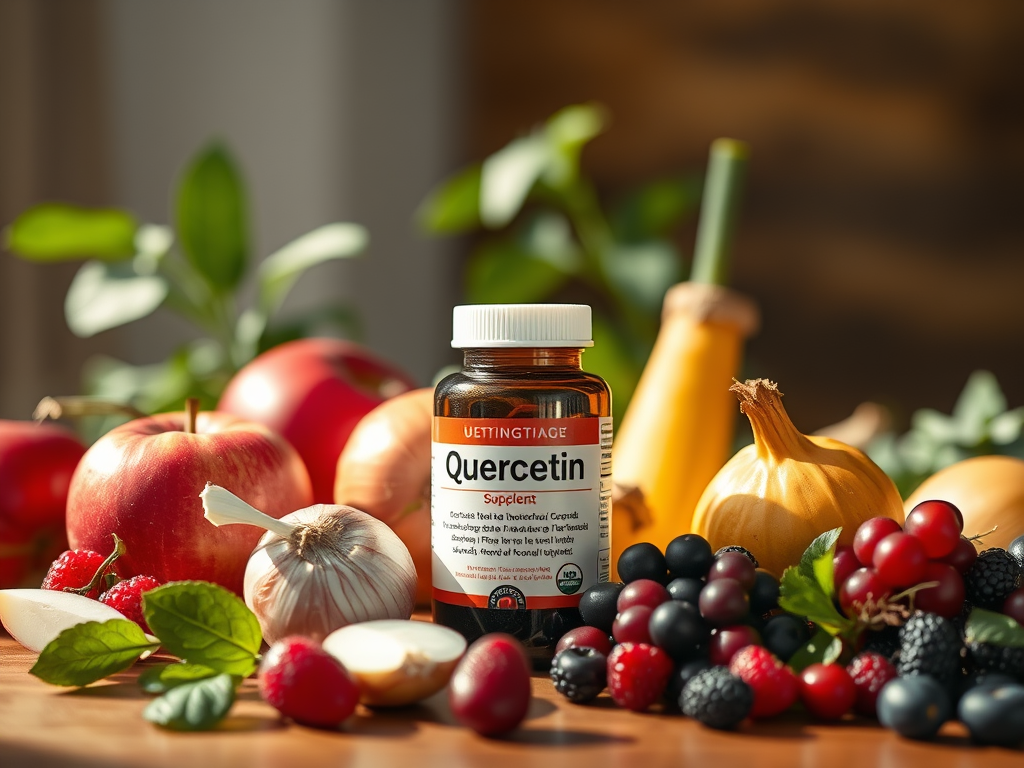
Quercetin and the SIRT1 Pathway: Unlocking Metabolic and Anti-Aging Benefits
Quercetin, a powerful flavonoid found in various fruits, vegetables, and grains, has garnered attention for its potential health benefits, particularly its influence on the SIRT1 (Sirtuin 1) pathway. SIRT1 is a NAD+-dependent deacetylase that plays a crucial role in regulating metabolism, inflammation, and the aging process. This blog post will delve into how quercetin activates the SIRT1 pathway and the subsequent benefits for metabolic health and longevity.
1. SIRT1 Activation
Role of SIRT1
SIRT1 is integral to many biological processes, including:
- Metabolism Regulation: SIRT1 helps maintain energy homeostasis and regulates various metabolic pathways.
- Inflammation Control: It modulates inflammatory responses, contributing to overall health.
- Aging: SIRT1 is associated with longevity and cellular health, helping to slow down the aging process.
Quercetin as an Activator
Studies indicate that quercetin can activate SIRT1, leading to increased deacetylation of target proteins involved in metabolic regulation. This activation enhances SIRT1’s ability to influence various cellular functions, making quercetin a promising compound for health optimization.
2. Metabolic Benefits
Improved Insulin Sensitivity
One of the significant benefits of quercetin’s activation of SIRT1 is enhanced insulin sensitivity. This effect is particularly beneficial for:
- Weight Management: Improved insulin sensitivity helps regulate blood sugar levels, which can aid in weight control.
- Metabolic Health: Better insulin sensitivity contributes to lower risks of metabolic syndrome and type 2 diabetes.
Fat Oxidation
Quercetin’s activation of SIRT1 also promotes fat oxidation. This process helps:
- Reduce Fat Accumulation: By enhancing the body’s ability to burn fat, quercetin may assist in preventing obesity.
- Support Healthy Body Composition: Increased fat oxidation can lead to a leaner physique and improved overall health.
Regulation of Inflammation
Quercetin may help reduce inflammation through SIRT1 activation. This regulation can inhibit pro-inflammatory pathways, potentially leading to:
- Lowered Risk of Chronic Diseases: By combating inflammation, quercetin can help reduce the risk of various chronic diseases, including heart disease and arthritis.
3. Cellular Stress Response
Protection Against Stress
By activating SIRT1, quercetin enhances the cell’s ability to cope with oxidative stress, promoting longevity. This protective effect is crucial for:
- Cell Survival: Improved resilience against oxidative stress can help maintain cellular health and function over time.
- Reduced Aging Effects: Enhanced stress response may contribute to slowing down aging processes at the cellular level.
4. Potential Neuroprotective Effects
Brain Health
SIRT1 activation is linked to neuroprotection, and quercetin’s influence on this pathway may contribute to its potential benefits in brain health. This includes:
- Reduced Risk of Neurodegenerative Diseases: Research suggests that quercetin may help lower the risk of conditions such as Alzheimer’s and Parkinson’s diseases by protecting neurons from damage.
- Cognitive Function Support: By promoting neuronal health and combating oxidative stress, quercetin may support overall cognitive function and memory.
Conclusion
Quercetin’s role in activating the SIRT1 pathway suggests it may have significant metabolic and anti-aging benefits. From improving insulin sensitivity and fat oxidation to offering neuroprotective effects, quercetin stands out as a powerful compound for health optimization. However, further research, particularly in human studies, is needed to fully understand these effects and their implications for health. As we continue to explore the potential of quercetin, it may well emerge as a valuable ally in promoting longevity and metabolic health. Incorporating quercetin-rich foods such as apples, onions, and berries into your diet can be a proactive step toward better health.
Leave a Reply