
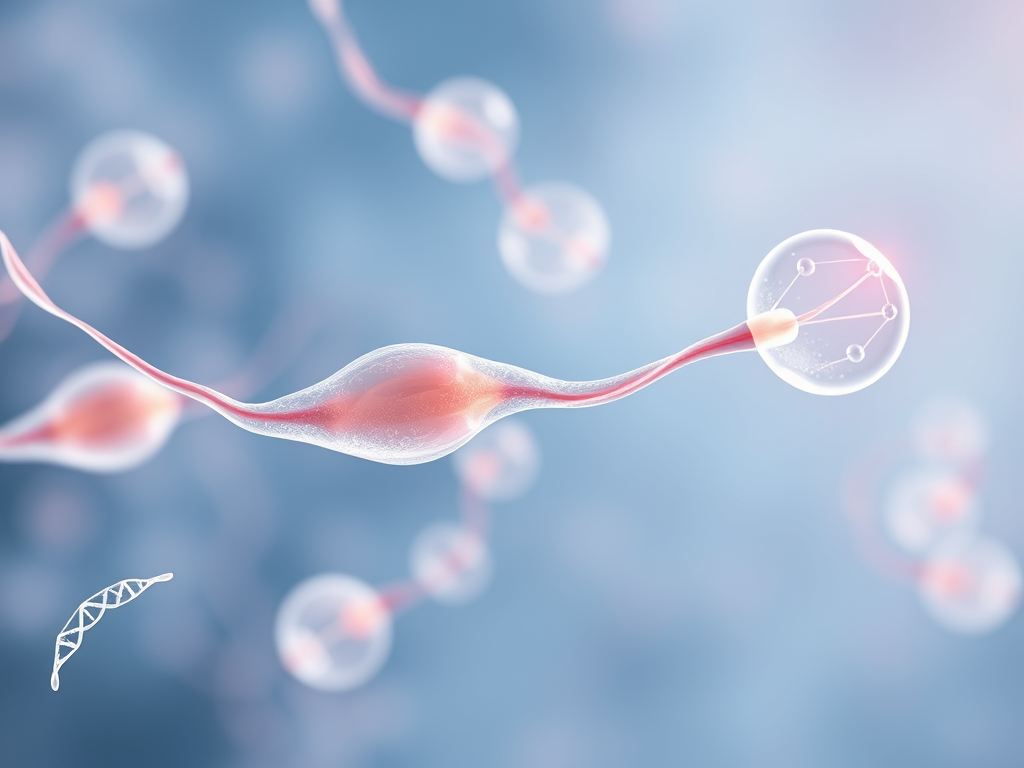
When it comes to reproductive health, most of the attention often falls on women — from ovulation tracking to prenatal supplements. But growing research shows that sperm quality plays a critical role not just in conception, but in the health of both the pregnancy and the mother.
Male reproductive health isn’t just about sperm count. It’s about sperm quality: motility, morphology, DNA integrity, and epigenetic signals. And these factors directly impact not only fertilization success, but also the development of the embryo, the risk of miscarriage, and even pregnancy complications for the mother.
Let’s explore why optimizing sperm health is essential for both partners.
🧬 What Defines Sperm Quality?
Sperm quality is assessed based on four major parameters:
- Sperm Count – Total number of sperm in a sample
- Motility – How well the sperm swim
- Morphology – Structural shape and integrity
- DNA Fragmentation – The integrity of the genetic material inside the sperm
Even if a man has a “normal” sperm count, poor motility, abnormal shape, or high DNA fragmentation can impair fertility and lead to poor pregnancy outcomes.
🔗 How Sperm Health Affects Fertility and Pregnancy
1. Fertilization Success
Low motility or abnormal sperm morphology reduces the chances of the sperm reaching and fertilizing the egg — even in couples under 35.
2. Embryo Development
Sperm DNA is responsible for 50% of the genetic material in the embryo. If DNA is fragmented or mutated:
- Embryos may fail to develop properly
- There’s a higher risk of early miscarriage
- Embryo implantation in the uterus may be less likely
3. Pregnancy Complications for the Mother
Poor sperm quality has been linked to:
- Increased risk of preeclampsia
- Gestational diabetes
- Placental abnormalities
This is because paternal genetic and epigenetic material helps program placental development — which directly impacts how the baby receives nutrients and how the mother’s body adapts to pregnancy.
👶 Epigenetics and the Role of the Father
Sperm carry not just DNA, but epigenetic information — chemical markers that regulate how genes are expressed. Poor diet, chronic stress, obesity, smoking, and toxins can alter these epigenetic marks, which can:
- Influence how genes in the embryo are turned on/off
- Increase risks for developmental delays, immune issues, or metabolic dysfunction in the child
This concept is part of the Developmental Origins of Health and Disease (DOHaD) theory — what happens in the earliest stages of life affects long-term health outcomes.
💪 How Men Can Improve Sperm Quality
Even if there are no obvious fertility issues, it’s wise to support sperm health for the well-being of future children and the mother.
🥗 1. Nutrition
- Zinc (15–30mg/day): Essential for sperm production and motility
- Omega-3s (EPA/DHA): Improve sperm membrane fluidity
- CoQ10 (100–300mg): Boosts mitochondrial function in sperm
- Vitamin C + E: Antioxidants that reduce DNA fragmentation
- L-Carnitine (1–3g): Shown to improve motility and count
🧘♂️ 2. Lifestyle
- Avoid heat exposure (e.g. laptops on lap, saunas)
- Limit alcohol and avoid smoking
- Manage stress: Cortisol can suppress testosterone and sperm production
- Sleep 7–9 hours: Sperm production is tied to the circadian rhythm
❌ 3. Toxin Reduction
- Avoid BPA and phthalates (found in plastics and some personal care products)
- Limit exposure to pesticides and heavy metals
🧬 Supplements That Improve Sperm Quality
The male body produces over 1,500 sperm per second, but quality matters more than quantity when it comes to conception, embryo development, and long-term offspring health. Here’s a breakdown of key nutrients that improve sperm count, motility, morphology, and DNA integrity — and how to use them.
🔹 1. CoQ10 (Ubiquinol)
Benefit: Improves sperm motility and density by enhancing mitochondrial function
Dose: 100–300 mg daily (best taken with food)
💡 Why it works: Sperm are among the most energy-demanding cells in the body. CoQ10 fuels their mitochondria and protects them from oxidative stress.
📚 Studies:
- Men with infertility taking 200–300mg CoQ10 showed significant improvements in motility and morphology in 3 months.
- Also reduces sperm DNA fragmentation.
🔹 2. L-Carnitine (L-Carnitine Tartrate or Acetyl-L-Carnitine)
Benefit: Boosts sperm motility and vitality
Dose: 1–2g/day L-Carnitine or 500–1000mg ALCAR
💡 Why it works: Transports fatty acids into mitochondria for energy — critical for sperm movement. Often stacked with CoQ10 for compounding effect.
📚 Studies:
- L-Carnitine + ALCAR combo shown to significantly improve sperm count and motility in subfertile men.
🔹 3. Zinc
Benefit: Supports sperm production, testosterone, and antioxidant defenses
Dose: 15–30mg/day (with copper if over 25mg)
💡 Why it works: Zinc is essential for spermatogenesis and protects against heavy metal-induced sperm damage.
📚 Studies:
- Zinc-deficient men show lower sperm count, poor morphology, and reduced testosterone levels.
🔹 4. Vitamin E + Vitamin C
Benefit: Reduces sperm DNA fragmentation and oxidative stress
Dose:
- Vitamin C: 500–1000mg/day
- Vitamin E (d-alpha tocopherol): 200–400 IU/day
💡 Why it works: Antioxidants protect sperm DNA from oxidative damage, which improves fertilization potential and embryo viability.
📚 Studies:
- In men with high DNA fragmentation, a combo of Vitamin C + E lowered fragmentation and increased pregnancy rates (even in IVF).
🔹 5. Selenium (Selenomethionine)
Benefit: Improves sperm motility and morphology
Dose: 100–200mcg/day
💡 Why it works: Selenium is required for glutathione peroxidase, a key antioxidant enzyme in sperm. Also helps protect sperm tail structure (important for movement).
📚 Studies:
- Shown to enhance morphology and overall sperm function when combined with Vitamin E.
🔹 6. Ashwagandha (KSM-66 or Sensoril)
Benefit: Improves testosterone, sperm count, and motility
Dose: 300–600mg/day (standardized extract)
💡 Why it works: Adaptogen that lowers cortisol and supports testosterone production, leading to better hormone signaling and sperm production.
📚 Studies:
- One RCT found a 167% increase in sperm count and 53% increase in semen volume after 90 days of supplementation.
🔹 7. Folate (Methylfolate) + B12 (Methylcobalamin)
Benefit: Supports DNA synthesis and reduces homocysteine levels
Dose:
- Folate: 400–800mcg/day
- B12: 500–1000mcg/day
💡 Why it works: Essential for DNA methylation and sperm DNA integrity. Helps reduce birth defect risks when combined with folate from maternal side.
📚 Studies:
- Low folate status in men is associated with poor morphology and increased chromosomal abnormalities in sperm.
🔹 8. N-Acetyl Cysteine (NAC)
Benefit: Improves sperm motility, volume, and antioxidant capacity
Dose: 600–1200mg/day
💡 Why it works: Boosts glutathione (body’s master antioxidant) and helps detoxify the reproductive tract.
📚 Studies:
- Men supplementing with NAC + selenium improved total sperm count, motility, and ejaculate volume.
🔹 9. Omega-3 Fatty Acids (EPA & DHA)
Benefit: Enhances sperm fluidity, count, and morphology
Dose: 1000–2000mg/day of combined EPA + DHA
💡 Why it works: DHA is critical for the sperm membrane and acrosome — helps with movement and egg penetration.
📚 Studies:
- Men with subfertility improved sperm count and motility after 3 months of omega-3 supplementation.
🔹 10. Shilajit
Benefit: Boosts testosterone, sperm count, and sperm volume
Dose: 250–500mg/day (purified extract)
💡 Why it works: Rich in fulvic acid and trace minerals that support hormone health and mitochondrial energy.
📚 Studies:
- In a 90-day study, shilajit led to a 60% increase in sperm count and improved testosterone levels in healthy men.
🧪 Sample Daily Sperm Health Stack
| Time | Supplement |
|---|---|
| Morning | CoQ10 (100mg), Zinc (15mg), L-Carnitine (1g), Omega-3 (1g) |
| Midday | Ashwagandha (300mg), Vitamin C (500mg), Folate + B12 |
| Evening | Vitamin E (200 IU), Selenium (100mcg), NAC (600mg), Omega-3 (1g) |
⏱️ Timeline for Results
The full sperm cycle takes about 64–72 days, so plan on taking supplements consistently for at least 2–3 months to see measurable changes in sperm count, motility, and quality.
💡 Final Takeaways
- Sperm quality is modifiable.
- Targeted supplements can protect DNA, improve motility, and boost overall reproductive health.
- Improvements in sperm quality benefit fertility, embryo health, and even maternal well-being during pregnancy.
Leave a Reply